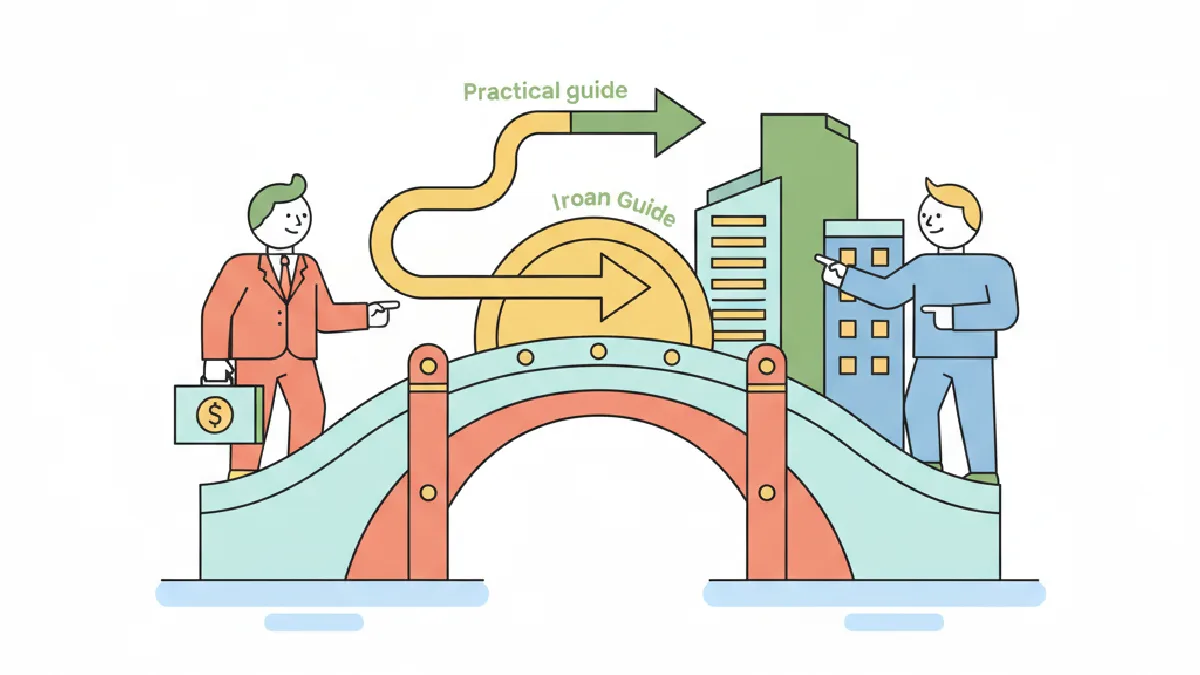
Picture this: you find a deal that makes sense, the seller needs to close sooner than your permanent lender can move, and your acquisition window is tight. You need capital fast so you don’t lose the deal. That’s when a bridge loan commercial real estate product makes sense. This guide explains what a bridge loan is, when to reach for one, how lenders think, and what to do next.
Core idea, simple
A bridge loan in commercial real estate is short-term, flexible debt used to cover a timing gap between now and a longer-term plan—usually a refinance, sale, or a full renovation and lease-up. It’s not cheap and it’s not meant to be permanent. But when speed and flexibility are the constraints, a bridge loan can keep a deal moving.
How lenders underwrite bridge loans — and what you actually need to deliver
Bridge lenders don’t underwrite like permanent lenders. For a practical walk-through of underwriting mechanics, see the commercial real estate underwriting guide. Bridge lenders focus on three things: the exit, the sponsor, and the asset’s path to that exit. If you can’t answer those three cleanly, you probably won’t close.
- Exit first. Lenders want a credible, executable exit: a committed permanent lender, a planned sale after renovation, or a clear lease-up timeline. Put your exit plan in writing and stress-test it for delays.
- Sponsor matters. Your track record, liquidity, and relationships move deals. Lenders will weigh your operating history and available replacement capital more heavily than optimistic pro formas. Bring operating statements, bank or escrow confirmation, and references.
- Path to value. Lenders want a simple, believable path from today’s basis to the exit basis. Show detailed scopes, realistic timelines, contractor quotes, and conservative assumptions. Don’t overstate upside—lenders price conservatism.
Common bridge loan features — what to negotiate and what to accept
Bridge loans trade convenience for cost. Know where to push and where to concede.
- Term and extensions. These loans are short by design. Negotiate realistic extension options and a clear fee schedule for extensions so you avoid an unexpected maturity cliff.
- Payment structure. Expect interest-only or deferred-pay terms. If you need cashflow, model debt service under the loan’s payment rules—not just your projections.
- Recourse and guarantees. Many bridge loans require sponsor recourse, especially on value-add plays. If you need limited or no recourse, expect stricter covenants and more lender oversight.
- Covenants and reporting. Lenders typically require regular reporting during the term. Nail down frequency and format up front to avoid surprise requests that pull your team off operations work.
- Fees and payoffs. Watch upfront fees, exit fees, and prepayment penalties. A low headline rate can be offset by aggressive fee structures—run the math for your expected hold time.
When to use a bridge loan — good scenarios and clear warnings
Use a bridge when speed or flexibility is the bottleneck. Don’t use one as a workaround for a weak deal.
- Good uses: closing quickly to secure a purchase (build repeatable acquisition processes), funding renovations during lease-up, or buying time while you line up permanent financing or a sale.
- Bad uses: masking poor underwriting, delaying a necessary capital raise, or covering chronic negative cashflow with no credible fix. If your plan depends on unrealistic rent growth or occupancy improvements, pass on it.
Mini-case: How we used a bridge loan to close and stabilize a value-add asset
We closed on a city-center office building with upside tied to re-leasing a few vacant floors. The seller needed a quick close and our preferred permanent lender couldn’t finish diligence in time. We pulled a bridge loan to close, fund tenant improvements, and cover interest while we executed leasing. The lender required a clear lease-up plan, an equity buffer, and monthly reporting. We budgeted conservatively for TIs, built a contingency reserve, and reported progress monthly. Six months in, we hit leasing milestones and took the asset to a permanent lender with real lease comps and updated cashflows. The permanent lender liked seeing real progress rather than promises, and the takeout closed more smoothly because the bridge lender had enforced disciplined reporting.
Tactics that save you money or time on bridge debt
Operators who use bridge loans repeatedly rely on a short set of tactics. Use them.
- Bring a realistic takeout plan. Lenders underwrite exits; provide one that survives a hiccup. Include alternate exits: sale, refinance with a different lender, or a staged refinance.
- Be transparent about capital sources. If you claim a backstop equity source, make the documents available. Lenders will test sources—don’t surprise them at closing.
- Build a clean due-diligence package. Lease abstracts, contractor bids, current P&L, and sponsor financials—organized and ready. For tools that help, see the best tools for managing due diligence and guidance on how to organize property docs and inspections. Speed matters; disorganized packages cost time and leverage.
- Negotiate real covenants. Push for covenants tied to objective metrics and allow cure periods. Avoid vague performance covenants that give a lender unilateral enforcement rights.
- Plan for extensions early. If you might need more runway, negotiate extension mechanics and fees when you sign. Extension fever near maturity is where you lose leverage.
What lenders will test that you often miss
Lenders will poke at things you take for granted. Anticipate the tests and patch weak spots beforehand.
- Contractor capacity. Lenders check that your chosen contractors can actually deliver on the proposed schedule. Bring proof of parallel projects or references.
- Rollover risk with permanent lending. If your exit depends on a permanent lender, show correspondence and clear next steps. A handshake isn’t enough. For tactics to prevent due diligence from stalling a deal, document communications and contingency plans.
- Timing assumptions. Lenders assume delays. Model conservatively and show the exit still works under stress.
- Equity durability. Lenders test whether your equity cushion can absorb overruns. Demonstrate committed backstops—not intentions.
Where a CRE-specific tool helps
To reduce the risk that active deals slip through the cracks, a CRE-specific platform can centralize next steps and automate routine follow-ups. Use an Investment pipeline to keep stage and timing consistent across deals, send priority tasks to an Action Center so nothing is missed, and configure deal stage triggers to create required tasks automatically when a deal moves stages. These controls shorten lender diligence cycles and make your exit plans easier to demonstrate—for an example workflow, see how you can track your acquisitions pipeline in CREflow.
Key takeaways
- Use bridge loans for short, specific timing gaps—not to paper over bad underwriting.
- Always present a credible, documented exit and conservative timelines.
- Negotiate extension mechanics and covenants up front; they’re where most deals get expensive.
- Prepare a clean diligence package and proof of sponsor capacity before you market the loan.
FAQ
How long should you expect to hold a bridge loan?
Short-term by design. The right hold is whatever matches your exit plan. If your exit isn’t realistic in the loan’s intended period, you need a different capital plan.
Can you refinance a bridge loan into a permanent loan?
Yes. That’s a common path. But don’t assume a refi is automatic—you need documentation and progress that convinces a permanent lender your exit is real.
Are bridge loans always recourse?
Not always. Recourse depends on deal risk, sponsor strength, and lender appetite. Expect recourse on higher-risk plays unless you trade other concessions for non-recourse terms.
What are common surprises at maturity?
Extension fees, stricter cure conditions, or demands for additional equity are common. Address these before they appear by negotiating mechanics up front and keeping open communication with your lender.
Before You Use This, Check This:
- Do you have a documented, stress-tested exit? If not, don’t bridge.
- Is your sponsor liquidity and contingency funding in writing and available? Nail the proof before diligence.
- Have you negotiated extension terms and fee schedules up front? Get them on paper.
- Is your due-diligence package organized so the lender can close quickly? Make it easy to underwrite.
- Have you modeled the deal under delayed exit scenarios and still shown a path to payoff? If not, rework the plan.
Bridge loans are powerful when used deliberately. Use them to close, stabilize, and buy time—not as a bandage for bad underwriting. Treat the lender like a partner: be transparent, conservative, and organized. That’s how you keep the deal on track and the exit under control.